| Joseph Magee, PhD | Philosophy of Nature and the Human Person | University of St. Thomas |
| josephmagee@aol.com |  | Fall 2026 |
| (281) 733-6680 | Tu Th 3:35PM – 4:50PM | Robertson 116 |

Course Description:
A course in philosophical anthropology, studying many aspects of human nature: sensation, emotion, thought, will, habits, soul, and body.
Objective:

The purpose of this course is to introduce students to philosophical inquiry by examining the fundamental issues and arguments concerning the nature of material reality in general, and of human beings in particular. We will focus on the nature of physical bodies, the relationship between body and mind, and examine the nature of perception and intellection. We will also investigate the nature of emotion, desire, will, and habitual conditioning. If time permits, we will consider how the nature of human persons conditions their orientation to and ability to attain their ultimate destiny. The thought of Saint Thomas Aquinas will serve as a basis for our work, and we will seek to deepen our understanding of the issues by contrasting his views with alternative theories, both ancient and contemporary.
Requirements:
Success in all course requirements depends on the students’ attentive attendance and participation in the class discussions. Students are required to attend all classes consistent with university policy. Class attendance and participation will determine a part of each student’s grade.

Students are required to read all assignments carefully and more than once. The reading and analysis of any text, especially philosophical writing, is a skill difficult to acquire, but extremely useful in life. This course will help students to develop this skill. I will provide guide question to facilitate students’ understanding of the readings. Students’ answering these questions will determine attendance and participation scores. Failure to read thoughtfully the assignments will show in class discussions, hinder students’ comprehension of the material (and thus hurt their grades), and make for a boring class.
The final grade for the course will be determined from the scores earned throughout the semester and weighted in the following manner: 25% midterm exam I, 25% midterm exam II, 40% comprehensive final exam, and 10% participation and attendance. Study guides will be provided for exams.
Students should check their e‑mail for important updates about class, assignments, and exams. Students are encouraged to e‑mail questions, comments, and notifications of absences to the instructor.
Letter grades will be assigned according to the following scale:
| 95 – 100 | A | 77 – 79 | C+ |
| 90 – 94 | A- | 70 – 76 | C |
| 87 – 89 | B+ | 67 – 69 | C- |
| 83 – 86 | B | 51 – 66 | D |
| 80 – 82 | B- | 0 – 50 | F |
Texts
Students will find the following texts in the bookstore containing required readings for the course. Additional reading assignments will be made available for download.
- Plato, Five Dialogues (Euthyphro, Apology, Crito, Meno, Phaedo). Second Edition. Translated by G. M. A. Grube. Revised by J. M. Cooper. Hackett, 2002. ISBN 978-0-87220-633-5.
- René Descartes, Discourse on Method and Meditations on First Philosophy. Fourth Edition. Translated by D. Cress. Hackett, 1999. ISBN 978-0-87220-420-1.
- Thomas Aquinas, On Human Nature. Edited by T. Hibbs. Hackett, 1999. ISBN 978-0-87220-454-6.
- Joseph Magee, To Know the Truth of Things: An Overview of the Philosophy of Saint Thomas Aquinas. Part I. UST Student Edition (Forthcoming).
Schedule of Readings
Dates and materials subject to change.
(Readings in parentheses are recommended.)
Week 1 – August 18 – 20.
I. Introduction: What is philosophy? What are you? What does one have to do with the other?

- A. Course Information
- B. Introduction to Philosophy
– Rise of Ancient Greek Philosophy
(W.K.C. Guthrie, The Greek Philosophers, Ch. 1)
(Documentary: Crucible of Civilization, especially Part III: Empire of the Mind)
Notes on the Rise of Philosophy
- C. Plato, Meno, translated by G.M.A. Grube.
Also in Five Dialogues.
Notes on Plato’s Meno (Recollection and Forms)
Week 2 – August 25 – 27.
II. Dualisms.

A. Plato, Phaedo in Five Dialogues, 57a-85e
– Phaedo, 85e-107c
Week 3 – September 1 – 3.
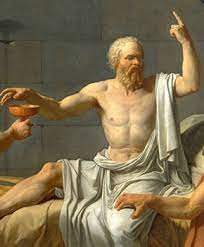
– Phaedo, 107c-118
(Plato, Republic (selections))
(Magee, To Know the Truth of Things, Ch. 1)
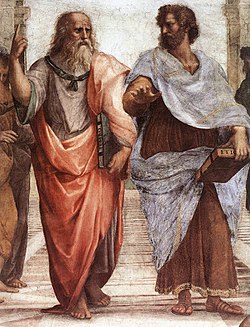
B. Basics of Logic: Substance and Accidents
Magee, To Know the Truth of Things, Ch. 2
Week 4 – September 8 – 10.
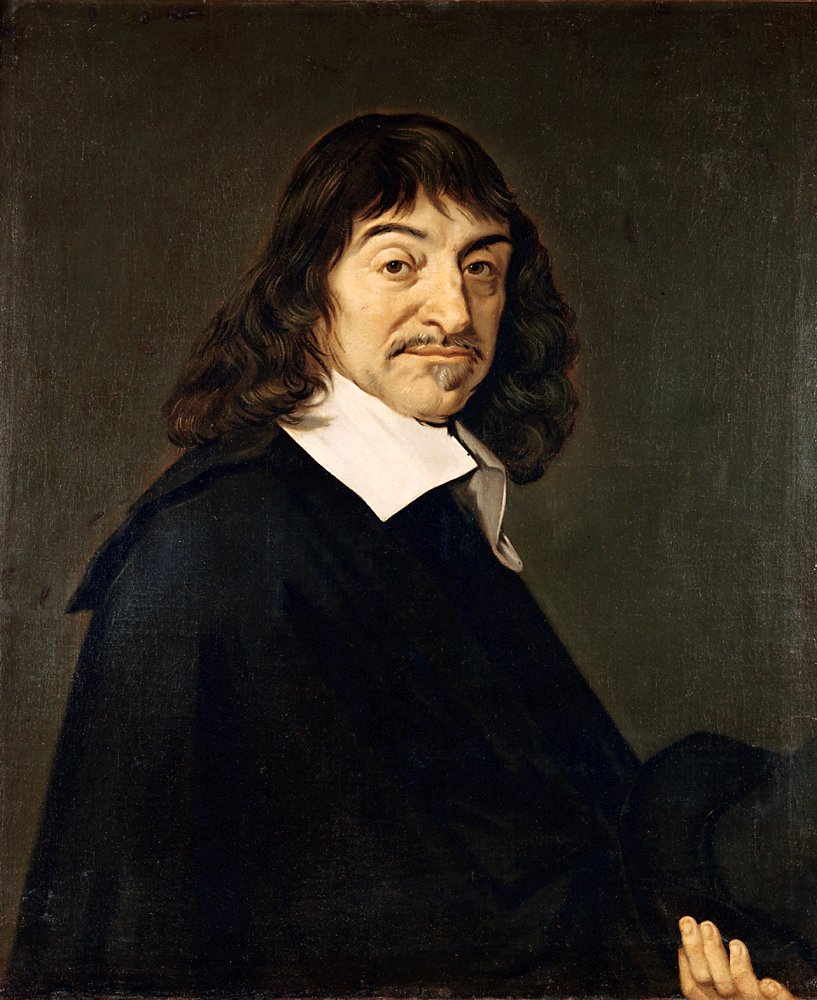
C. Descartes, Discourse on Method
Meditations on First Philosophy
Week 5 – September 15 – 17.
Exam I Study Guide
Review
MIDTERM EXAM I.
Week 6 – September 22 – 24

III Materialisms.
A. Theories of Mind.
- Eliminative/ Reductive Materialism.
- Functionalism/ Cognitivism.
- Supervenience/ Emergence.
B. Problems.
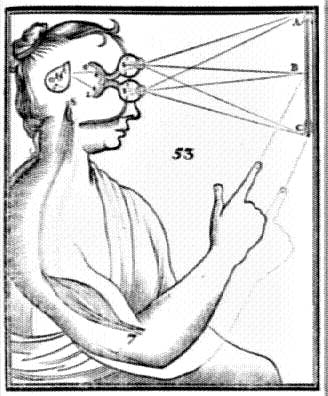
- Substantial Unity (Are you one or many?)
- Consciousness (Are some people zombies?)
- Intentionality (How can you/your brain know?)
- Freedom (Do you/does your brain choose?)
Week 7 – September 29 – October 1.

IV. Hylomorphism.
Notes: Form from Plato to Aristotle
- A. Problem of Change
- B. Four Causes
Magee, To Know the Truth of Things, Ch. 3
Week 8 – October 6 – 8.

- C. Body and Soul.
Magee, To Know the Truth of Things, Ch. 4.
Aquinas, On Human Nature, Ch. 1-2, 4.
Week 9 – October 13 – 15.
T: Midterm Break
- D. Cognitive Powers.
- 1. Senses
Aquinas, On Human Nature, Ch. 5.
Week 10 – October 20 – 22.

- D. Cognitive Powers.
- 2. Intellect.
- a. Object
- b. Abstraction
- 2. Intellect.
Aquinas, On Human Nature, Ch. 6.
Week 11 – October 27 – 29.
Exam II Study Guide
Review
MIDTERM EXAM II.
Week 12 – November 3 – 5.
V. Immortality: Subsistence and Incorruptibility.
Aquinas, On Human Nature, Ch. 4. (Ch. 3)
VI. Appetitive Powers

- A. Sense Appetites: Passions
- 1. Concupiscible
- 2. Irascible
Aquinas, On Human Nature, Ch. 8.
- Notes on Sense Appetitive Powers (Passions)
Week 13 – November 10 – 12.
- B. Rational Appetite: Will.
- 1. Object – universal good.
- 2. Specification of choice.
- 3. Freedom in choosing.
Aquinas, On Human Nature, Ch. 7.
Week 14 – November 17 – 19.

VII. Habits and Virtues.
Aquinas, Summa Theologiae I-II, qq. 49-60 – Readings download
- Guide Questions

VIII. Man’s Last End: Happiness
Aquinas, ST I-II, 1-5. – Readings download
- Guide Questions
Week 15 – November 24 – 26.
Final Exam Study Guide
Review
TH: Thanksgiving Break – University Closed
FINAL EXAM.
Tuesday, December 1 – 1:00-3:30 PM
 Thomistic Philosophy Page