It was 750 years ago last Wednesday, December 6, that Saint Thomas Aquinas received a vision that changed the course of his life and presaged its closing acts. As I wrote in 2021,
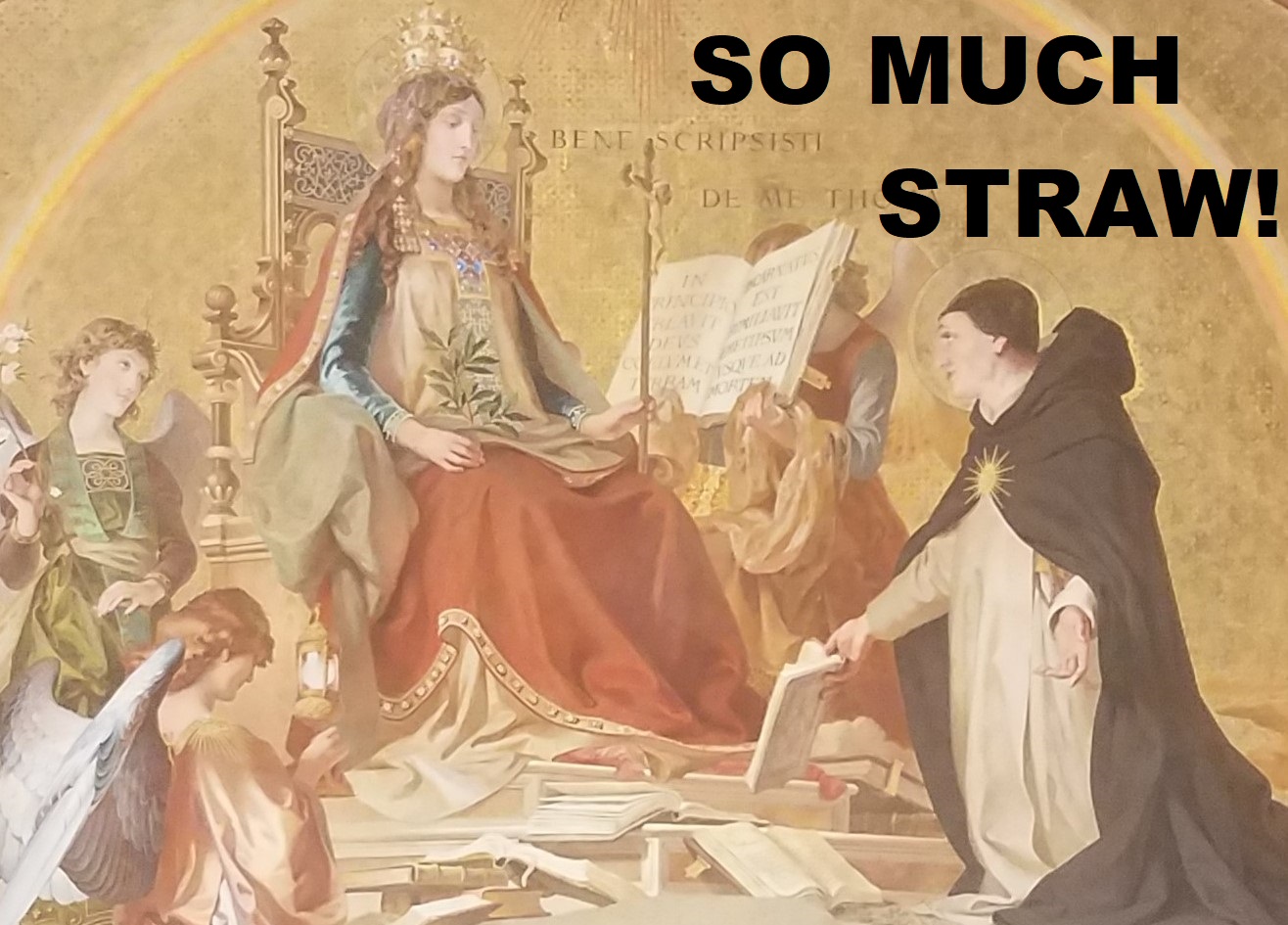
As is well known, on December 6, 1273, Saint Thomas had some sort of mystical experience while celebrating Mass in the Dominican convent of San Domenico Maggiore in Naples, after which he stopped writing his as yet unfinished magnum opus of the Summa Theologiae. Having only completed Quaestiones 73-83 of the Tertia Pars on the Holy Eucharist, he was in the middle of his treatment on the Sacrament of Penance when he rested his pen permanently. Eventually, he confided to his secretary that he could write no more, since after what had been revealed to him, it seemed that what he had written was only so much straw.
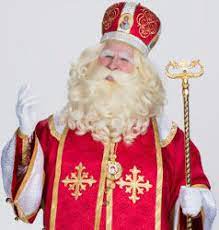
What is seldom mentioned is that December 6 is the Feast Day of Saint Nicholas, the 4th century bishop of Myra, who was a staunch opponent of Arianism, the heresy which denies the mystery of the Incarnation whereby the Son of God became truly a man, a human baby. (So staunch was Saint Nicolas’s opposition to Arianism that he is reputed (probably apocryphally) to have slapped (punched, in some versions) an obstinate heretic (Arius himself, in some versions) at the First Council of Nicaea in 325 AD.)
It is this mystery of Our Lord’s Incarnation that the Church celebrates at Christmas, and perhaps is another reason St. “Nick” became the inspiration for Santa Claus (along with the saint’s penchant for secretive gift giving).

It is, however, even more significant that St. Thomas received the private revelatory vision which rendered him theologically taciturn on the memorial of Saint Nicholas/Santa Clause and perhaps sheds unexpected (and indubitably historically unfounded) insight into this provocative text (considered spurious by some (which is to say all) Thomistic scholars): Five Ways of Proving for the Existence of Santa Claus. Could this lost article of the Summa be Saint Thomas’ truly final written text, the last bit of straw he produced in homage to the saint on whose feast day he saw the true value of his work when compared to an unobstructed and unencumbered vision of Divine Truth Itself? We will perhaps only know the truth when we, by God’s grace, come to share in the same Beatific Vision.
For a serious discussion of Saint Thomas’ tenure at San Domenico Maggiore in Naples, see this fine Facebook post by Bishop Robert Barron.

